
Often dubbed "liquid gold" and celebrated as one of the most expensive raw materials in the world, agarwood has captured the attention of forward-looking growers and investors aiming for substantial long-term returns. Driven by relentless demand from global luxury perfumeries, high-end incense manufacturers, and traditional medicine markets, the market value of agarwood continues an upward trajectory. For landholders and gardening enthusiasts, cultivating this remarkable tree at home or on private land offers a viable path toward creating lasting green wealth.
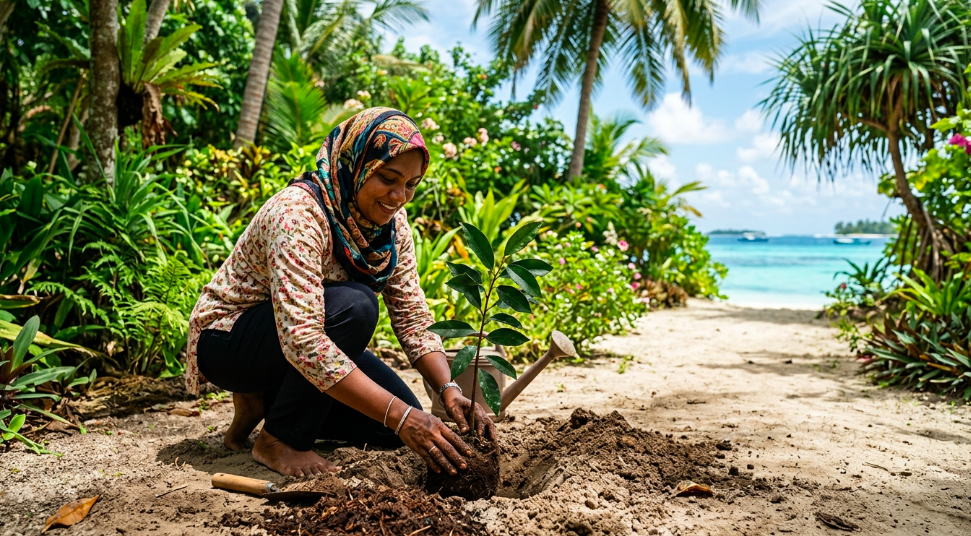
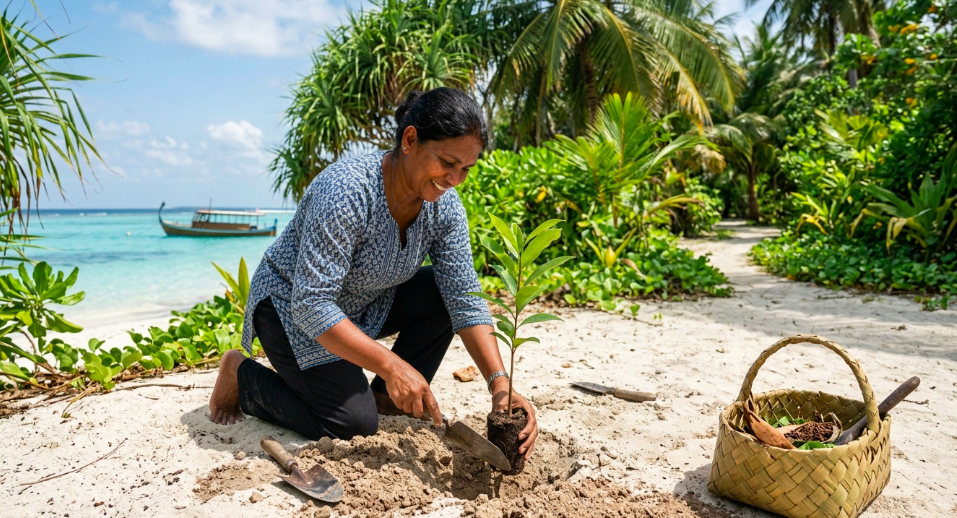
Growing agarwood—derived from the Aquilaria tree species—is surprisingly accessible under the right environmental conditions. The tree thrives exceptionally well in warm, humid tropical and coastal climates where ambient moisture and sunshine are abundant. While saplings require attentive weeding, basic shelter, and regular watering during their first couple of years, established trees become hardy and drought-tolerant. Because they do not demand intensive daily management or excessive irrigation once mature, agarwood trees integrate smoothly into the lifestyle of individuals balancing regular professions.
The staggering market value of agarwood lies in a unique natural phenomenon: the formation of aromatic resin deep inside the heartwood. Virgin agarwood timber is pale, light, and unremarkable on its own; however, when the inner trunk experiences a targeted biological trigger—such as artificial fungal inoculation around its seventh or eighth year—the tree mounts a defensive response. It saturates its fibers with a dense, deeply fragrant dark resin, transforming ordinary wood into the prized aromatic timber known globally as oud.
In commercial trading, this transformation yields extraordinary financial rewards. Even medium-grade plantation agarwood regularly commands upwards of 200,000 Indian rupees per kilogram, while ultra-dense, resin-saturated grades fetch dramatically higher figures at international auctions. Perfume houses and premium distillers maintain an insatiable appetite for sustainable, plantation-grown agarwood, ensuring that demand consistently outpaces supply across established and emerging markets.
For individuals looking toward early retirement or establishing an enduring financial cushion, cultivating agarwood represents a high-potential, patient asset class. With foundational planning, proper soil drainage, and professional guidance during the inoculation phase, a backyard plot or smallholding can evolve into a self-sustaining asset. Agarwood cultivation demonstrates how pairing thoughtful agricultural care with natural chemistry can turn everyday soil into an extraordinary harvest.