
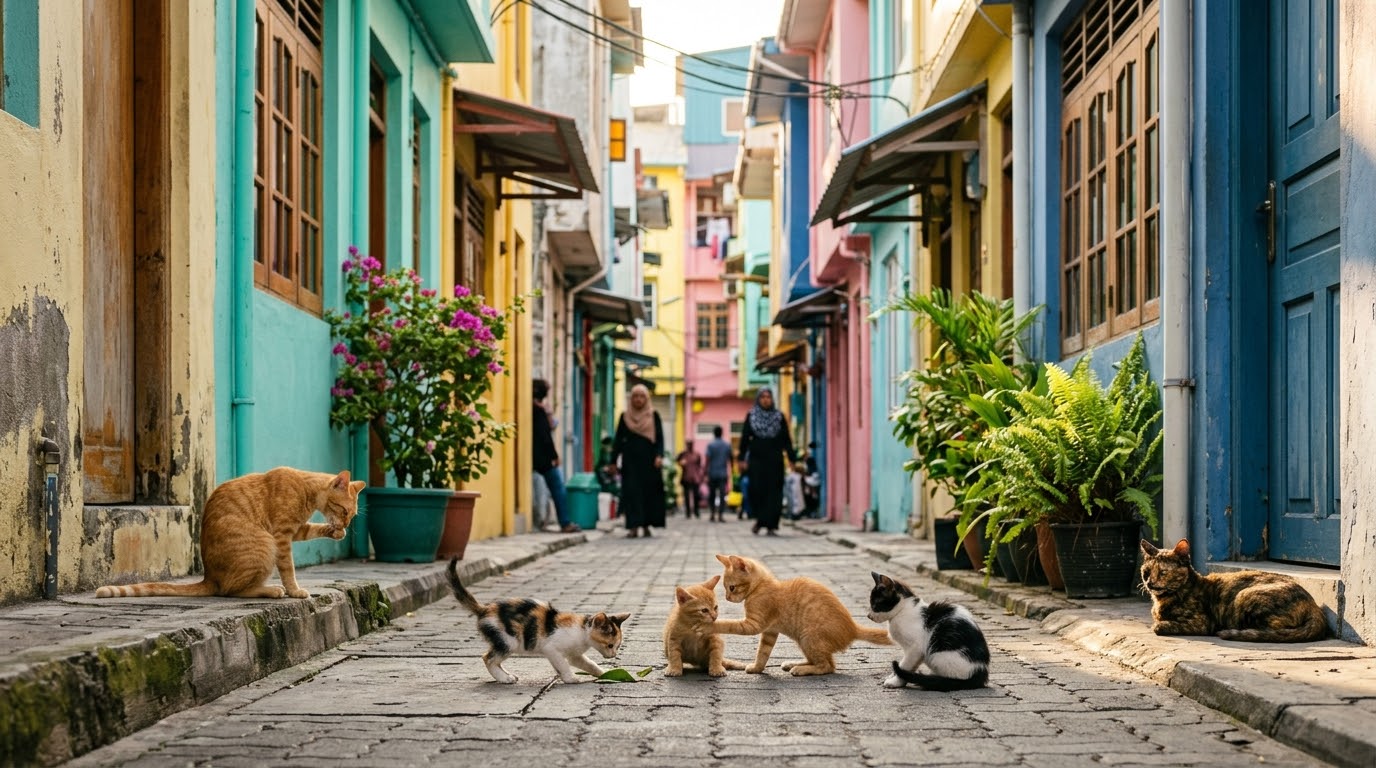
A nationwide initiative titled "Project Baukalo — A Safe, Clean, and Compassionate Community" was officially launched today in Hulhumalé to address the growing stray cat population and maintain urban sanitation standards. The project is led by the Ministry of Fisheries, Agriculture and Ocean Resources in collaboration with animal welfare organisations, civil society groups, and relevant state institutions.
The first phase of the initiative is being conducted as a pilot program in Hulhumalé, designed to serve as a scalable model for implementation across the Maldives. While the name "Baukalo" originates from traditional folklore where it was traditionally associated with fear, the project reclaims the term as a symbol of compassion, responsibility, and protection, aiming to manage the stray feline population through humane methods and cultivate a safe living environment for both residents and animals.
Under the Hulhumalé pilot phase, authorities and partners will deploy a Trap-Neuter-Return (TNR) program to curb feline reproduction effectively. In addition to sterilization, the project incorporates veterinary medical care, organised and responsible feeding practices, public campaigns encouraging pet adoption, and community engagement initiatives focused on street safety and animal welfare.
Animal protection remains a key government priority, originally highlighted by President Dr. Mohamed Muizzu in his 2024 Presidential Address as an area requiring comprehensive, long-term solutions. To establish the required legal backing, Parliament passed the Animal Protection and Welfare Bill in November 2025, which was subsequently ratified by the President on December 3, 2025 (Act No. 23/2025), creating a formal national framework for animal welfare governance.
Built around six foundational pillars—Control, Care, Cleanliness, Co-exist, Compassion, and Capacity—the project brings together stakeholders including the Housing Development Corporation (HDC), private clinics, animal shelters, youth organizations, and public media. Key deliverables over the coming year will include designated "cat-safe parks" and targeted educational workshops, culminating in a major milestone event scheduled for World Animal Day on October 4, 2027.