
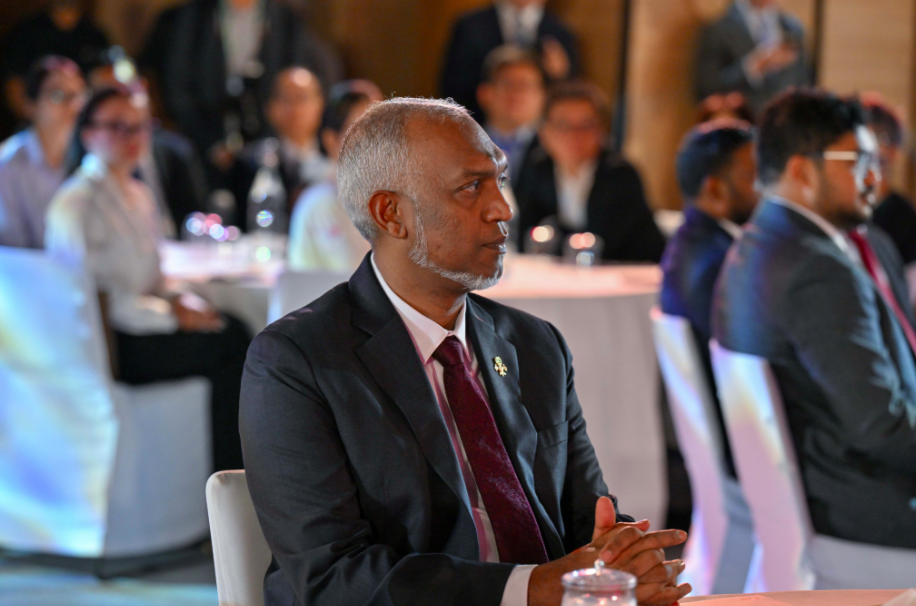
MALE, Maldives — The President of the Maldives has established a special presidential commission to investigate how the previous administration handled the maritime boundary delimitation dispute with Mauritius at the International Tribunal for the Law of the Sea (ITLOS). Formed under the constitutional powers vested in the President by Article 115(c) of the Constitution of the Republic of Maldives, the commission has been formally designated as the "President’s Special Commission to Investigate the Conduct of the Maldives in ITLOS Case No. 28." The current administration maintains that the state suffered irreparable and immense national losses as a consequence of the decisions and procedures followed during the international proceedings.
The seven-member investigative body is chaired by Ahmed Shakir, alongside prominent members including Abdul Azeez Yoosuf, Dr. Aaminath Shaafiya Adam, Dr. Abdul Muhsin Mohamed, retired Deputy Commissioner of Police Mohamed Saadiq, Ahmed Aleemaniq, and Fathimath Minhat Izzath. The primary mandate of the inquiry covers the entire timeline of ITLOS Case No. 28, beginning from the submission of the case up to its final deliberations, reviewing the legal responses submitted on behalf of the Maldives, and scrutinising the conduct of all state officials, legal advisors, and authorised figures directly or indirectly involved in the process.
Central to the investigation is establishing whether state officials or advisors engaged in legal negligence that compromised national sovereignty or maritime territory. The commission has been tasked with defining the scope of any identified legal negligence and determining liability across all relevant governing bodies and advisory teams involved in shaping the state’s strategy and representation before the tribunal.
Furthermore, the inquiry will examine how sensitive case files, official correspondence, and state documentation concerning the maritime case were managed, maintained, and preserved by state institutions. The findings will guide the commission in recommending appropriate legal and punitive actions against individuals found to have breached their duties, while formulating structural frameworks to prevent similar administrative and legal failures in future international disputes.
According to the presidential decree establishing the commission, the body will remain fully operational until the President determines that all mandated investigations and responsibilities have been comprehensively concluded. The commission's forthcoming findings and recommendations are anticipated to play a pivotal role in clarifying the controversial handling of the southern maritime boundary delimitation.