
In a historic ruling in The Gambia v. Myanmar case, the International Court of Justice (ICJ) on Thursday, 19 November 2026, found that Myanmar committed genocide against the Rohingya group in northern Rakhine State in Myanmar.
This is the first time the Court has found a State responsible for committing genocide. The Court found that Myanmar’s security forces killed “thousands of Rohingya civilians”, perpetrated widespread acts of sexual violence, as well as “acts of extreme violence” against children. It also found that Myanmar had failed to prevent and punish genocide.
The Court ordered Myanmar to investigate those reasonably suspected of involvement in the 2017 ‘clearance operations’ and prosecute and punish those responsible. The Court also ruled that Myanmar must “compensate the Rohingya group and its members for the damage caused” and allow the safe return of those displaced by its “wrongful acts”.
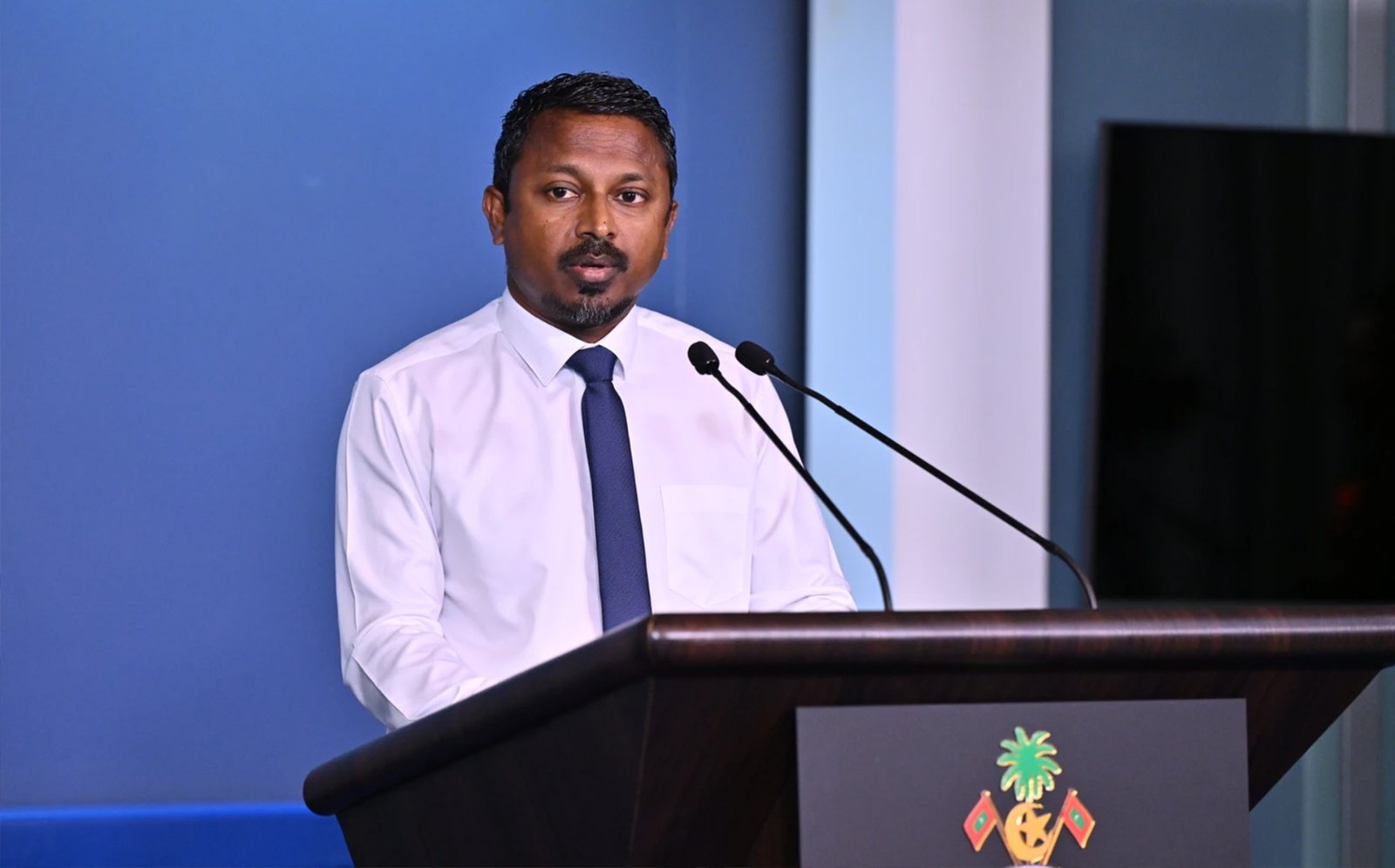
The Maldives was the first State to announce it would intervene in the case as a party to the Genocide Convention. The Maldives was represented by its agent Attorney General Ahmed Usham and its counsel in the case were Barrister and Professor Amal Clooney and Barrister and Professor Philippa Webb KC.
The Maldives’ submissions focused on Myanmar’s obligations under the Genocide Convention to punish genocide, including the duty to investigate and prosecute perpetrators before an independent and impartial tribunal.
The Court’s judgment reflects key elements of the Maldives’ submissions. For example, the Court noted that The Gambia had “embraced” the Maldives’ position that a State must investigate “as soon as there are reasonable grounds to believe” genocide has occurred on its territory, and that investigations must be prompt, effective, thorough, independent, impartial and “carried out in good faith” (paras 511, 516).
The Court also agreed with the Maldives’ submissions that in order to comply with the duty to punish under Articles IV and VI of the Convention, trials must include all relevant fair trial guarantees, including independence and impartiality, and that any penalties imposed must be “proportionate to the gravity of the crime of genocide and sufficient to prevent such acts in the future” (para. 518).
The Court also expressly referred to the Maldives’ submissions on the obligation to enact domestic legislation allowing the prosecution of all acts committed in a state’s territory that are punishable under the Genocide Convention, ensuring that all potential perpetrators can be prosecuted (para. 559).
Attorney General Ahmed Usham commented: “The Maldives intervened in this case to advance justice and accountability for genocide victims. We welcome the Court’s recognition that the Rohingya are entitled to justice, and that Myanmar must now investigate, prosecute and punish those responsible, including those in leadership positions. The Maldives remains steadfast in its commitment to upholding the Genocide Convention, combating impunity for the gravest international crimes, and advancing the protection of human rights and human dignity through international law.”
Amal Clooney and Philippa Webb KC added: “This historic judgment has been long awaited by the victims including many who still languish in refugee camps. For the first time, the ICJ has found a state responsible for the commission of genocide. The Court has also made clear that states cannot shield perpetrators: they must investigate and prosecute them in line with international standards set out in the Genocide Convention. Myanmar should now comply with the Court’s judgment and provide the victims with the compensation they deserve.”