
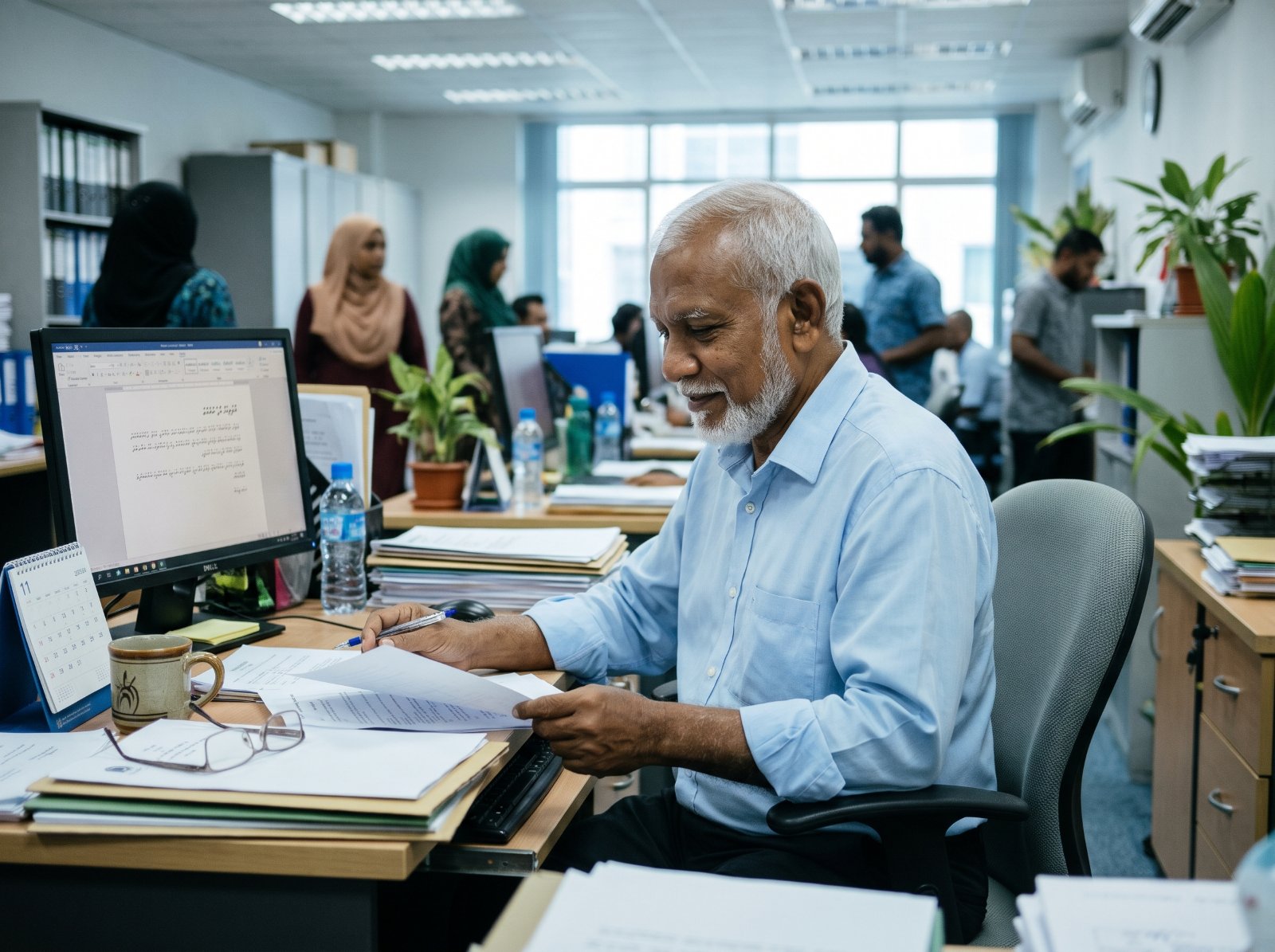
The Maldives is among the fastest-aging nations in the world and is set to undergo a major demographic shift within just 13 years, according to a new World Bank report. Released this month under the title "Demographic Change in South Asia: From Tailwinds to Headwinds for Development," the report highlights that the country is racing against time to adapt to a rapidly aging population.
Unlike other South Asian nations, the Maldives is the only country in the region with the potential to achieve high-income status before its population becomes aged. While the nation's per capita income already sits well above its regional peers—and is projected to exceed $25,000 by 2044 if the economic growth rate recorded between 2013 and 2023 is sustained—the window of opportunity to secure this prosperity is narrowing quickly.
According to World Bank calculations, an average South Asian country takes 25 years to transition from an "aging" society to an "aged" one, while other developing economies take an average of 32 years and advanced economies have taken 46 years. In contrast, the Maldives will make this transition in just 13 years, moving rapidly from having 7 percent of its population aged 65 and older to 14 percent, with that share projected to surpass 20 percent by 2050.
This rapid shift means the Maldives' working-age population (ages 15–64) will peak and begin declining after 2033, placing immense pressure on public finances as healthcare and social protection costs surge. Meanwhile, regional neighbors face even steeper challenges, with countries like India, Bangladesh, and Nepal set to age at much lower per capita income levels, and Sri Lanka approaching aged status by 2030 amid a severe financial crisis.
To avoid missing its narrow window to become a wealthy nation, the World Bank has warned that the Maldives must implement major economic and social reforms before 2044. Key priorities include establishing a strong primary healthcare system to reduce hospital dependency, removing barriers to female labor force participation, upskilling older workers and youth to offset AI-driven job losses, and overhauling the pension system alongside broader fiscal adjustments to boost revenue and curb spending.